Grunge, from the outside in. Each step is a genre and the single record this encyclopedia would put on first. Play them in this order and the last one should sound like a next step rather than a wall.
- 1 The way in
Rock 1954
The whole family: guitar, bass, drums and a beat borrowed from blues and rhythm and blues. Every branch below grows out of this trunk, metal included.
Sung. Melodic singing throughout.
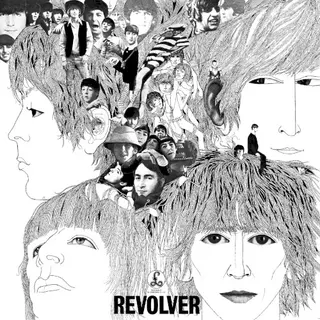
Put on
The Beatles - Revolver, if you want to understand why everything branched so fast.
The Beatles, Revolver (1966) - 2 Then
Alternative rock 1985
An umbrella for everything that grew outside commercial radio and then conquered it. Defined originally by the college-radio network, not by any one sound.
Sung. Melodic singing throughout.
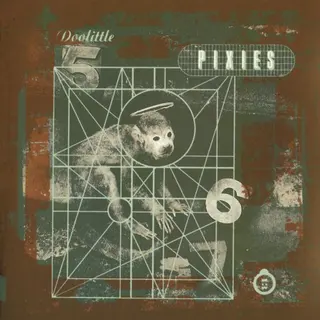
Put on
Pixies - Doolittle. Cobain admitted he was simply trying to write a Pixies song.
Pixies, Doolittle (1989) - 3 What you asked about
Grunge 1988
Punk plus Black Sabbath plus flannel: quiet verse, exploding chorus and lyrics about self-disgust.
Sung. Melodic singing throughout.
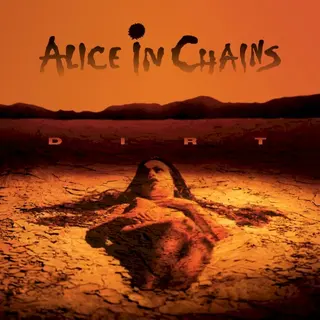
Put on
Alice in Chains - Dirt. The heaviest and bleakest record the scene produced.
Alice in Chains, Dirt (1992) - 4 Where to go next
Post-grunge 1994
The grunge formula cleaned up for radio: same dynamics, less dirt, vastly more airplay.
Sung. Melodic singing throughout.
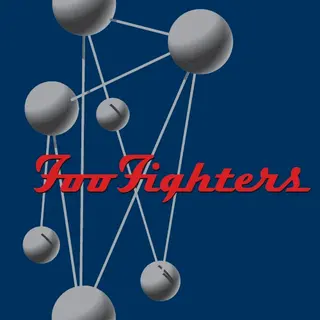
Put on
Foo Fighters - The Colour and the Shape. Dave Grohl played nearly all of it himself.
Foo Fighters, The Colour and the Shape (1997)
Assembled from the tree: every genre Grunge descends from, in order. The last step is the gentlest of Grunge's 1 subgenre - least harsh vocals first, then least heavy.