Rockpedia

Scenes

A scene is a place and a period, not a sound and not a group of people. Twenty-one of them are held here, and between them they account for 272 records made while the doors were open. Press play to walk through in the order they opened, drag the fader to go anywhere, or pick a lane off the chart.

  1. Canterbury 1966-1978
  2. Detroit 1967-1974
  3. Birmingham 1968-1992
  4. Krautrock 1968-1975
  5. CBGB, New York 1974-1978
  6. London punk 1976-1979
  7. NWOBHM 1979-1984
  8. Washington DC hardcore 1980-1991
  9. Bay Area thrash 1981-1991
  10. Sunset Strip 1981-1991
  11. Seattle 1986-1994
  12. Palm Desert 1987-1996
  13. Tampa 1987-1995
  14. New Orleans 1988-2005
  15. Stockholm death metal 1988-1993
  16. Gothenburg 1990-1999
  17. Helvete, Oslo 1991-1994
  18. Finnish metal 1996-2010
  19. Montreal 1997-2010
  20. Massachusetts metalcore 1998-2007
  21. Australian metalcore 2003-2015

Canterbury 1966-1978 1 of 21

1966-1978 twelve years

Canterbury

A small circle of musicians from one English town who kept swapping between each other's bands.

Place
Canterbury, England

Opened The Wilde Flowers broke up and its members reassembled, repeatedly, into almost every band the scene is named for.

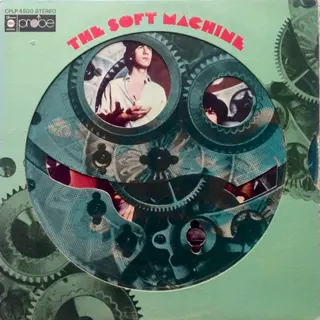
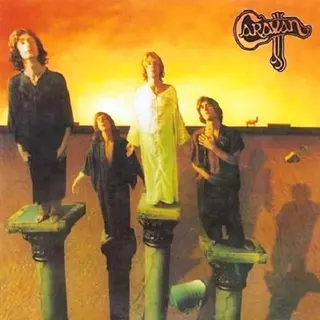
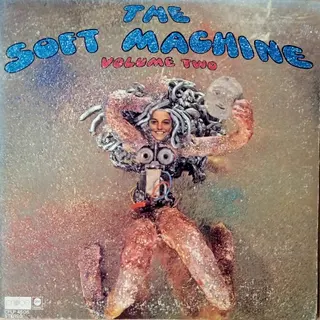
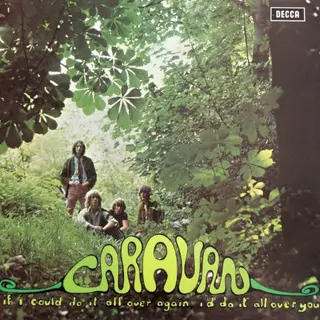
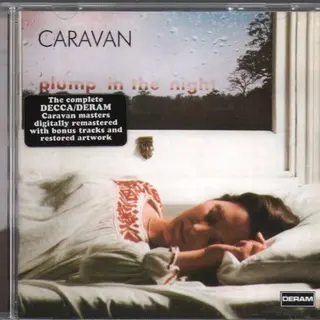
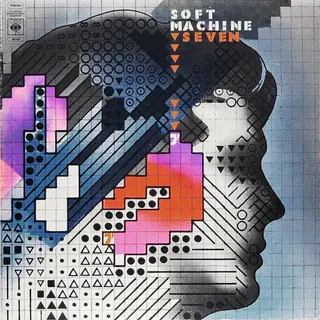
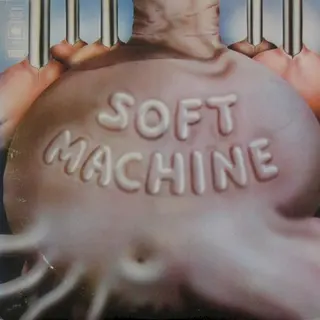
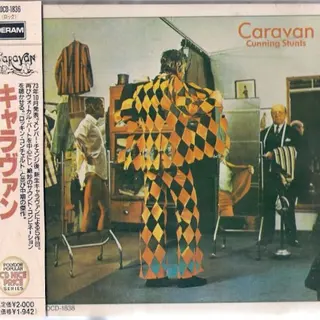
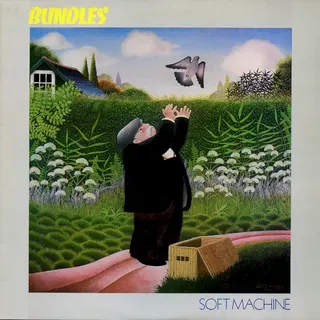
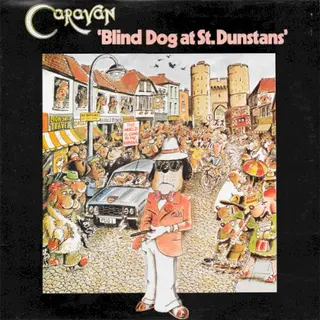
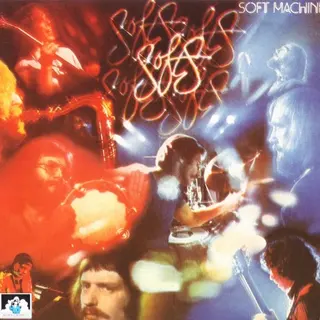
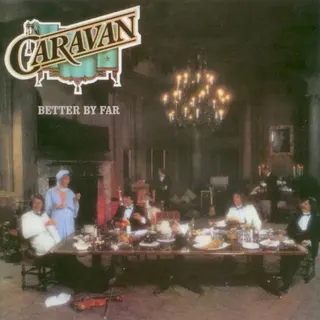
Soft Machine, Caravan, Hatfield and the North and National Health shared members to a degree that makes the family tree more interesting than most of the records. The result is a house sound closer to jazz than to rock, with English understatement where American progressive rock would have put a solo.

Closed The players had gone further into jazz than the audience would follow, and punk arrived with no use for a twenty-minute suite.

What it produced

At its centre

Hear what came out

Authored under Canterbury scene, and cued to a record on the wall above.

  • Fuzz organ

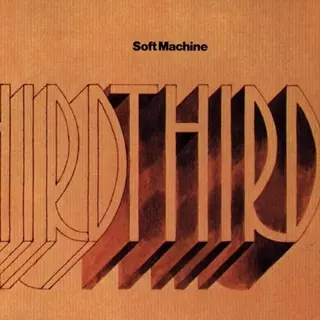
    Soft Machine - Third

    A Hammond through a distortion pedal, played with jazz voicings - extended chords rock had no use for. Nobody outside this scene made this sound.

    Open on YouTube
1967-1974 seven years

Detroit

Two bands in a car-factory town who played louder and uglier than anyone had a commercial reason to.

Place
Detroit
Centred on
The Grande Ballroom

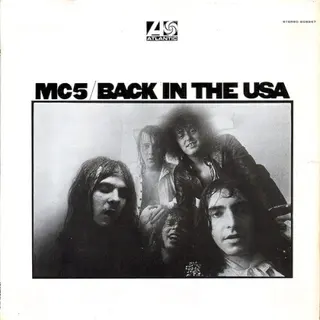
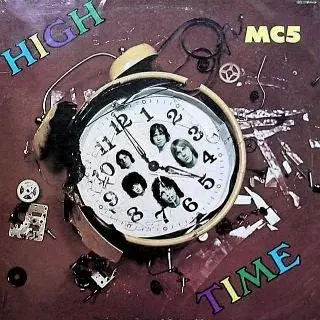
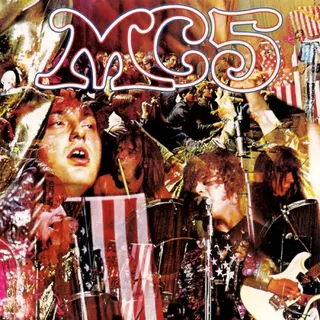
Opened The MC5 became the Grande's house band and started recording their own audience.

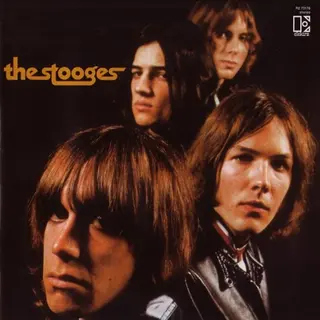
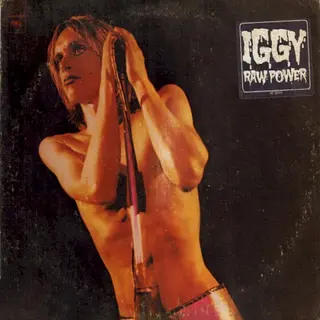
Detroit in the late sixties was a city of assembly lines and a curfew, and the two bands the Grande Ballroom is remembered for made music that sounded like both. The MC5 were a political project with a manager who declared war on the culture; the Stooges were the opposite, a band with no programme at all beyond Iggy Pop's willingness to do anything on a stage. Neither sold records. Both were understood a decade later in New York and London, by people who had worked out that this was what rock without permission or craft actually sounded like.

Closed Elektra dropped the MC5 within a year of signing them, and the Stooges fell apart on tour. The idea survived the bands by a decade.

What it produced

At its centre

Hear what came out

Authored under Proto-punk, and cued to a record on the wall above.

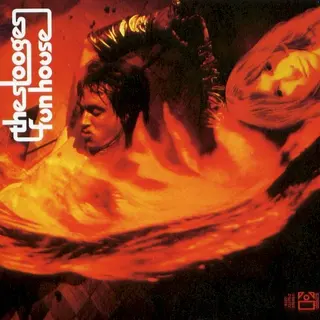
  • Two chords, held too long from 3:42

    The Stooges - Fun House

    No solo, no development, and the fuzz on. The repetition is the aggression, and Iggy's sneer is the direct model for nearly every punk vocalist after him.

    Open on YouTube at 3:42
1968-1992 twenty-four years

Birmingham

An industrial city that invented heavy metal and, twenty years later, invented a way to make it sound like the factories.

Place
Birmingham, England

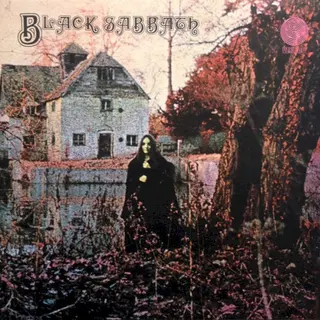
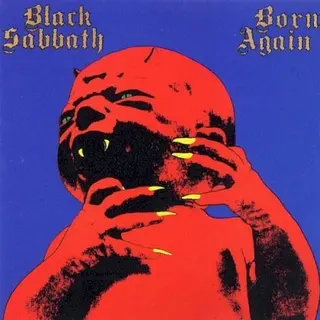
Opened Four teenagers from Aston formed a blues band in 1968 and renamed themselves after a Boris Karloff horror film.

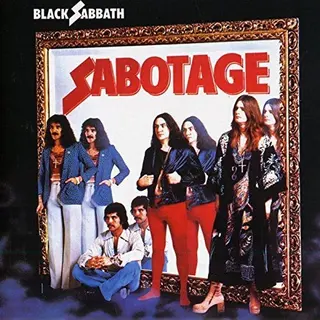
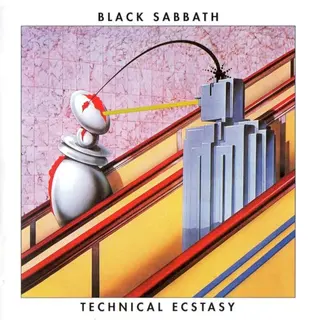
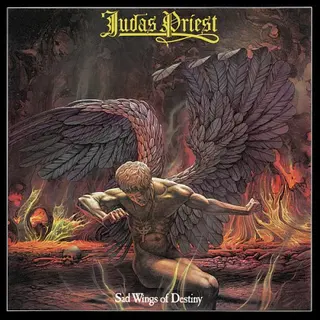
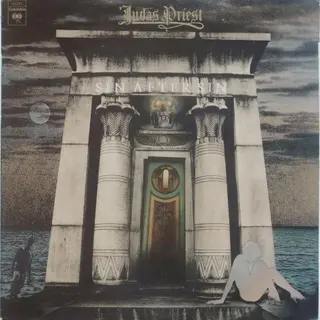
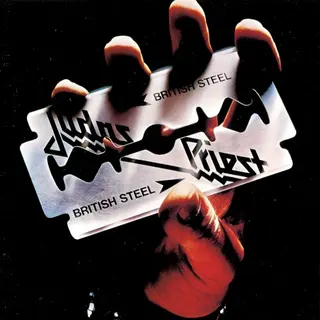
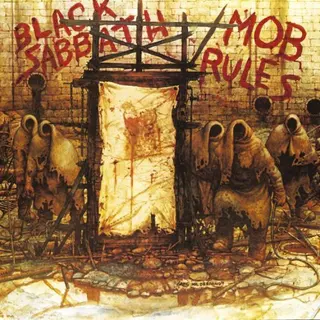
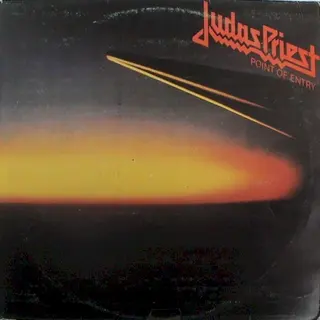
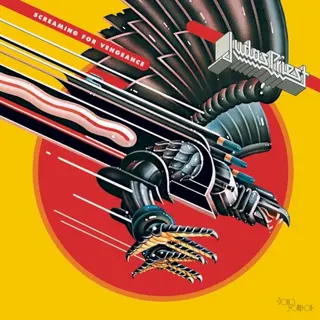
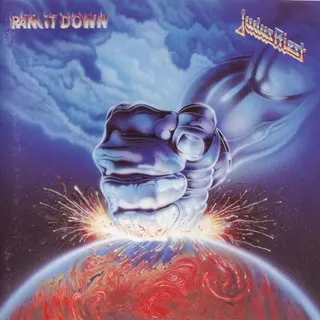
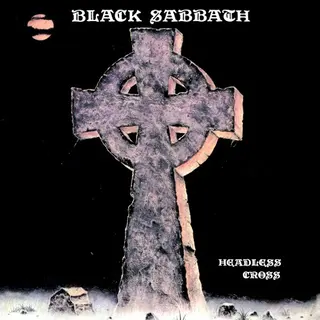
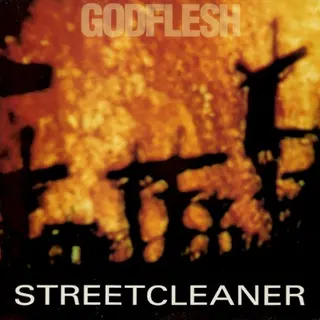
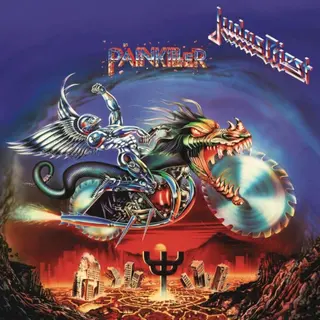
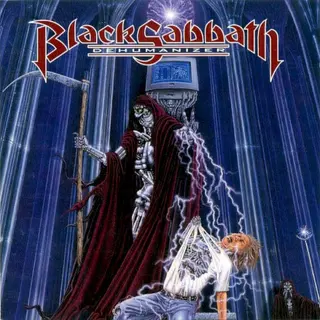
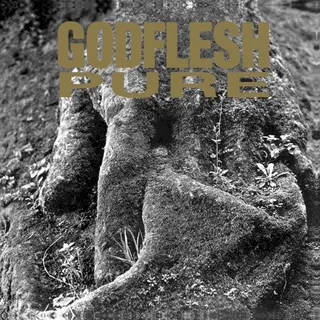
Tony Iommi lost the tips of two fingers in a factory accident, slackened his strings and tuned down to make them playable, and the resulting sound became a genre. Judas Priest, from the same city, added the leather and the twin leads. Two decades on Godflesh replaced the drummer with a machine and produced a guitar tone like poured concrete - the same city arriving at heaviness twice, by different routes and for the same reasons.

Closed Godflesh's Pure, in 1992 - the last time the city answered its own factories with a sound nobody had made before.

What it produced

At its centre

Hear what came out

Authored under Doom metal, and cued to a record on the wall above.

  • Where the tuning came from

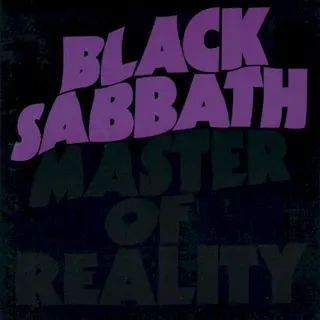
    Black Sabbath - Master of Reality

    Tony Iommi lost the tips of two fingers in a factory press and tuned down three semitones so the strings would pull less. Every down-tuned guitar in this encyclopedia descends from an industrial accident, and this is the record where you first hear it.

    Open on YouTube
What happened here

  1. 1970-02-13 Black Sabbath release their debut An album that opens with rain, a bell and a tritone - the moment heavy metal becomes a separate thing from hard rock.
  2. 1992 Industrial metal goes platinum Ministry complete the journey from synth-pop to a factory-floor sound, and sell a million copies of it.

1968-1975 seven years

Krautrock

German musicians with no interest in the blues, building rock again from the rhythm up.

Place
West Germany
Centred on
Conny Plank's studio

Opened Can and Amon Düül both formed out of the 1968 student movement, less as bands than as communes that owned instruments.

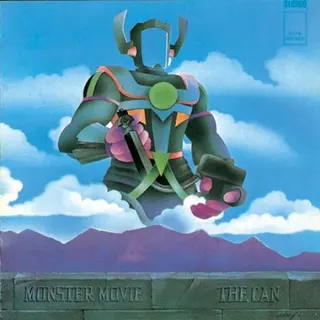
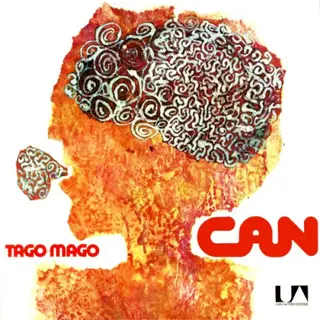
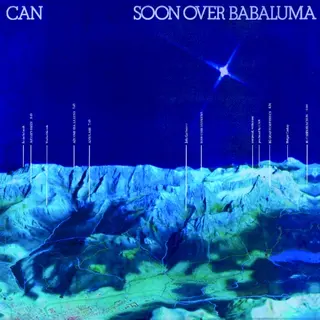
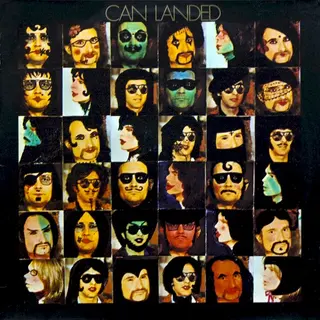
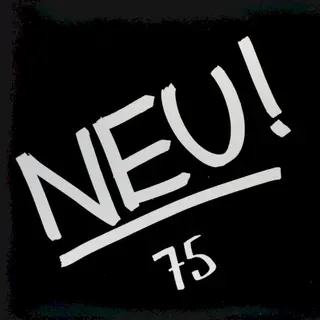
Everything else on this map descends from American blues. This does not. A generation of West German musicians decided that the twelve-bar and the backbeat were somebody else's inheritance, and started instead from repetition: Neu!'s motorik, a straight, unaccented pulse that goes on for as long as the record does, and Can's habit of improvising for hours and editing the result into songs. Conny Plank engineered a great deal of it. The British music press named the whole thing after a joke, and the joke stuck.

Closed The players scattered into production and electronics. What they had built came back as post-punk, ambient and most of what a drum machine has done since.

What it produced

At its centre

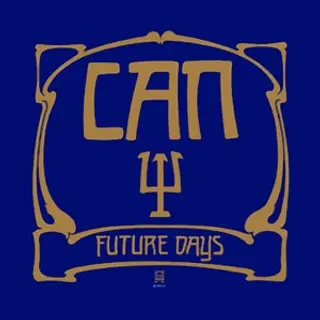
  • Can 6 records here
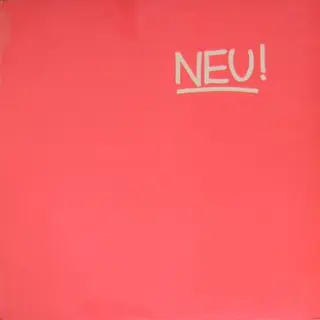
  • Neu! 3 records here
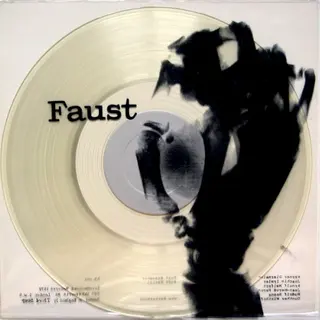
  • Faust 5 records here

Hear what came out

Authored under Krautrock, and cued to a record on the wall above.

  • Motorik

    Neu! - Neu!

    Straight four-four at about 130 bpm with no fills and no variation, played by a person trying to sound like a machine. It is the most influential rhythm on this branch of the tree.

    Open on YouTube
1974-1978 four years

CBGB, New York

A Bowery bar where American punk assembled itself, two years before London made it a headline.

Place
New York
Centred on
CBGB, Bowery

Opened Hilly Kristal opened the club in 1973 for country, bluegrass and blues, which is what the initials stand for, and never booked any.

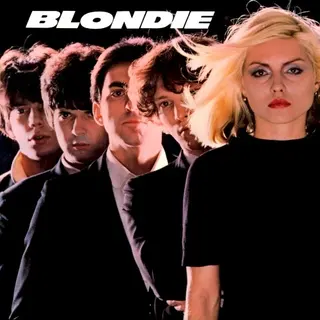
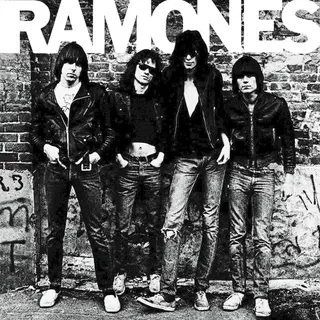
Between 1974 and 1976 the club's booking policy - original material only - turned a failing country and bluegrass venue into the room where the Ramones, Television, Patti Smith, Blondie and Talking Heads all played to each other. What they had in common was not a sound; the Ramones and Talking Heads share almost nothing musically. It was the conclusion that rock had become too expensive, too long and too professional, and that the way out was to stop asking permission.

Closed The bands signed, toured and stopped needing the room. By 1978 CBGB was a stop on the way in rather than the thing itself.

What it produced

At its centre

Hear what came out

Authored under Punk rock, and cued to a record on the wall above.

  • Three chords, all downstrokes

    Ramones - Ramones

    One guitar, no solo, no second part, and a bass playing eighth notes locked to the kick drum. Two minutes fifteen. There is nothing here that was not necessary, which was the argument.

    Open on YouTube
What happened here

  1. 1974 CBGB becomes the room where American punk assembles A failing Bowery country bar starts booking bands on condition they play their own songs.

1976-1979 three years

London punk

The same conclusion as CBGB, reached independently and delivered as provocation rather than art.

Place
London
Centred on
The 100 Club

Opened The 100 Club's punk festival in September 1976 put every band in the city on one bill and made it a movement over two nights.

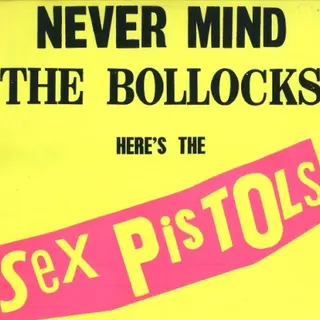
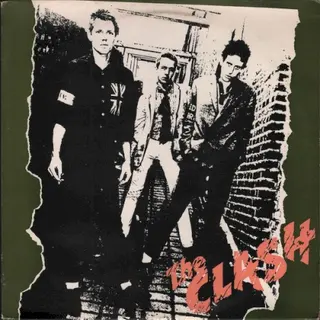
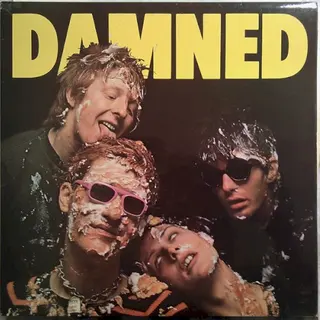
Where New York's scene grew out of art school and the Velvet Underground, London's arrived as confrontation, with management that understood publicity as a medium. The Sex Pistols supplied the provocation and The Clash supplied the politics. It burned out quickly and productively: by 1979 most of the important bands had either dissolved or moved on into post-punk, which is where the ideas went.

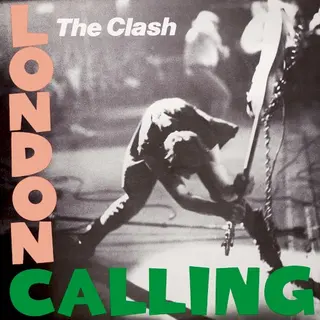
Closed The Clash finished the decade with London Calling, which is not a punk record. The argument had moved on, and so had everyone worth hearing.

What it produced

At its centre

Hear what came out

Authored under Punk rock, and cued to a record on the wall above.

  • Under two minutes, and it means it

    The Clash - The Clash

    Faster and rawer than the Ramones, recorded in three weekends, and over before a second verse could soften it. Hear how far forward the vocal is - punk mixes the words loudest because the words are the reason.

    Open on YouTube
1979-1984 five years

NWOBHM

Hundreds of British bands who took metal back from the arenas, pressed their own singles and accidentally armed the next four genres.

Place
United Kingdom
Centred on
The Bandwagon Soundhouse and Sounds

Opened Sounds ran a piece in 1979 naming a new wave of British heavy metal, and hundreds of bands turned out to have been waiting for the name.

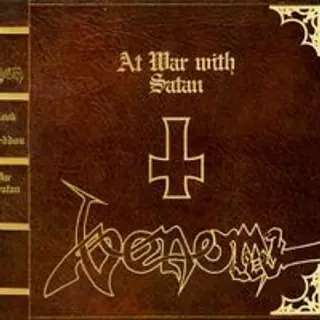
By 1978 heavy metal was a stadium concern and punk had made it look ridiculous. The response was to apply punk's economics to metal's music: press a single yourself, sell it at gigs, get played on Neal Kay's disco in a Kingsbury pub and reviewed in Sounds. Most of the bands never got further than that. It hardly mattered - the records reached California and Scandinavia, where Metallica covered Diamond Head and everybody in Norway heard Venom, and two of the loudest genres on this map begin with teenagers importing British seven-inches.

Closed The good bands became arena acts and the rest went back to work. By 1984 the interesting extension of it was happening in California and Norway.

What it produced

At its centre

Hear what came out

Authored under NWOBHM, and cued to a record on the wall above.

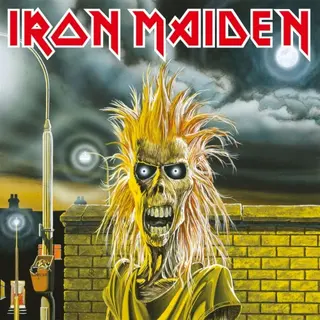
  • The gallop from 12:48

    Iron Maiden - Iron Maiden

    Down-down-up in triplets on the low string, under a twin-guitar harmony, with the bass playing a third independent line. Everything melodic on the metal branch descends from this arrangement.

    Open on YouTube at 12:48
1980-1991 eleven years

Washington DC hardcore

The scene that produced straight edge, then reacted against its own toughness and produced emo.

Place
Washington DC
Centred on
Dischord Records

Opened Ian MacKaye and Jeff Nelson started Dischord to put out one record by their own band, and did not stop.

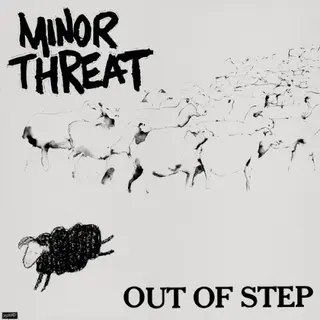
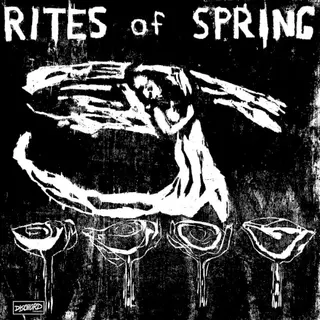
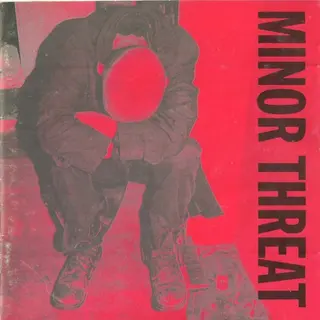
Minor Threat invented straight edge in a forty-six second song, and Dischord built a label that ran on principle to an extent that embarrassed everyone else. By 1985 the same people had decided that hardcore's emotional flatness was a limitation rather than a virtue; Rites of Spring came first, and the word 'emocore' was coined in the city that year. Fugazi is what the whole argument eventually sounded like.

Closed Hardcore became a national vocabulary rather than one city's argument. The label outlived the scene and is still releasing records.

What it produced

At its centre

Hear what came out

Authored under Hardcore punk, and cued to a record on the wall above.

  • Forty-six seconds

    Minor Threat - Complete Discography

    A complete song, with a verse, a chorus and an argument in it, in under a minute. Hardcore's formal innovation is subtraction: everything that could be cut has been, and what is left is delivered at a speed punk did not use.

    Open on YouTube
What happened here

  1. 1981 Minor Threat invent straight edge A subculture founded in forty-six seconds.
  2. 1985 'Emocore' is coined in Washington DC A reaction, from inside hardcore, to hardcore's emotionally flat toughness.

1981-1991 ten years

Bay Area thrash

Californian teenagers who listened to NWOBHM and hardcore punk at the same time and drew the logical conclusion.

Place
San Francisco
Centred on
Ruthie's Inn, Berkeley

Opened Californian teenagers with NWOBHM imports and hardcore records, and clubs across the bay that would book both on the same night.

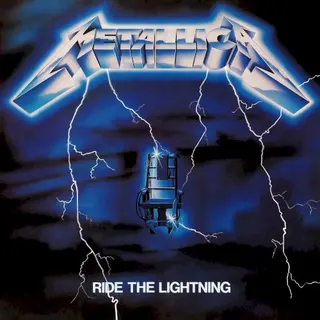
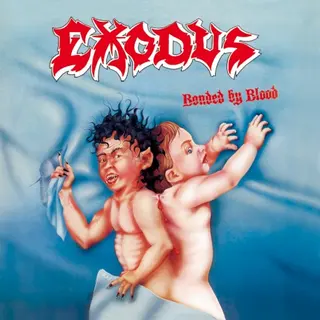
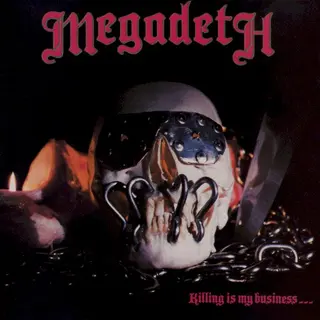
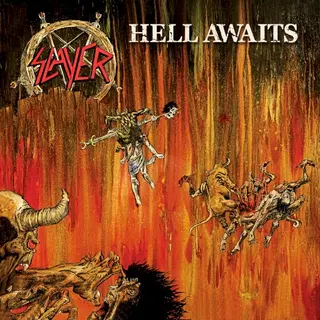
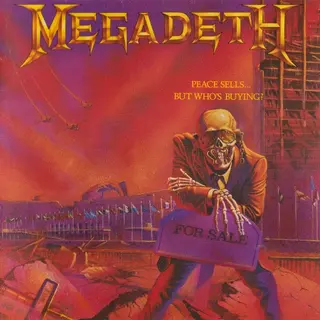
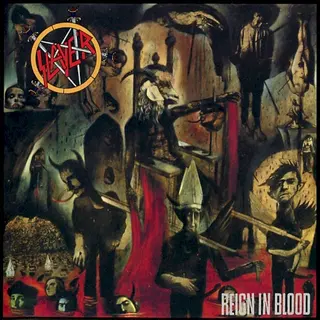
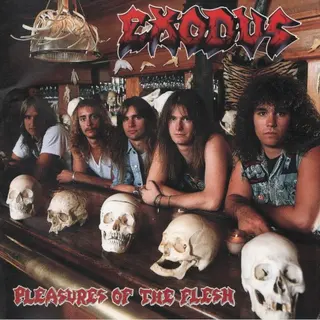
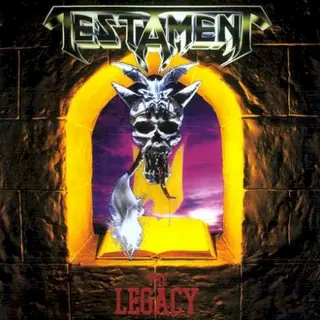
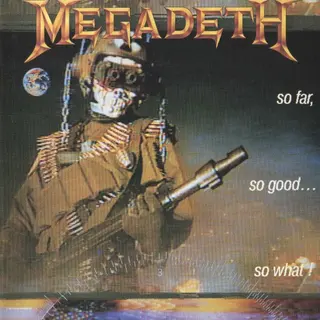
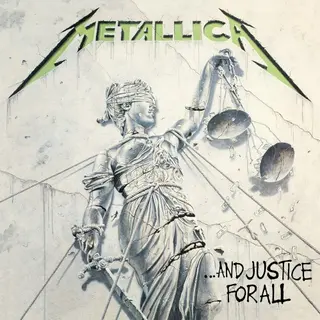
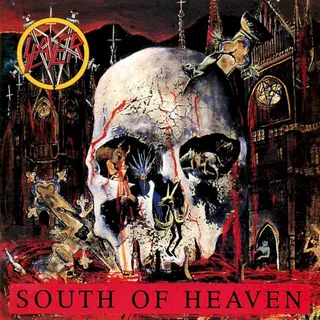
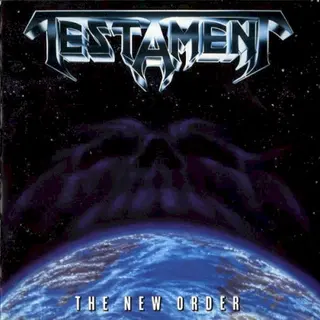
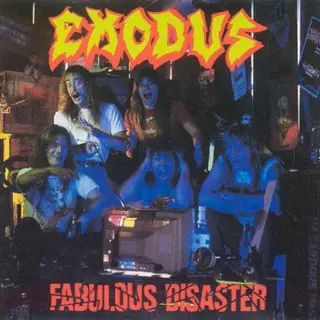
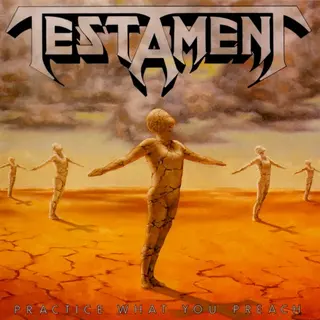
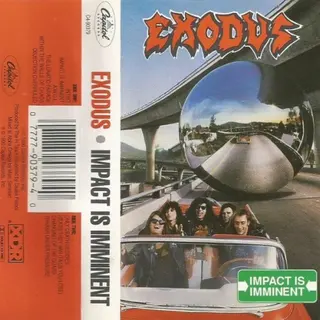
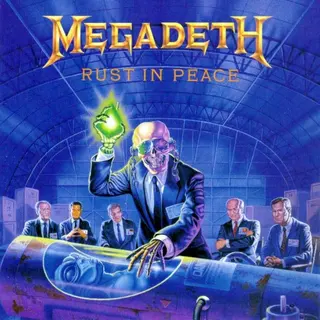
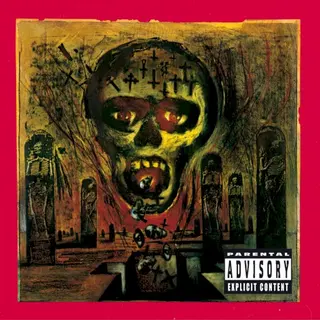
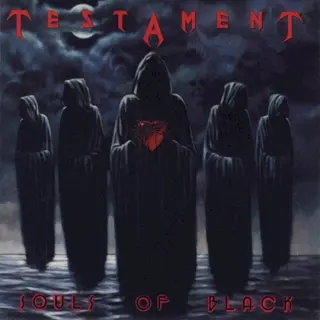
The scene's founding insight was arithmetic: British metal riffs played at hardcore tempos. Metallica moved up from Los Angeles and released Kill 'Em All in 1983; Slayer went more extreme, Megadeth more technical, Exodus and Testament held the middle. The Bay Area's clubs let bands play long enough to get good, and by the end of the decade thrash had become the commercial centre of metal - which is roughly when the scene stopped being one.

Closed Metallica's black album sold in the millions and the tempo came down. What had been a scene became four careers.

What it produced

At its centre

Hear what came out

Authored under Thrash metal, and cued to a record on the wall above.

  • The downpicking

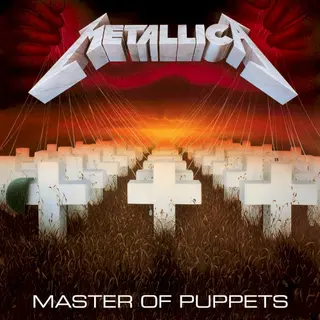
    Metallica - Master of Puppets

    Every note of the opening riff is a downstroke, at around 220 bpm. That is the physical fact the genre is built on - an upstroke would be easier and would not sound like this, because a downstroke lands harder and all of them land identically.

    Open on YouTube
What happened here

  1. 1983 Metallica release Kill 'Em All NWOBHM riffs at hardcore tempos, and thrash metal exists.

1981-1991 ten years

Sunset Strip

A mile and a half of Los Angeles where image counted as much as music, and both paid.

Place
Los Angeles
Centred on
The Whisky a Go Go and the Rainbow

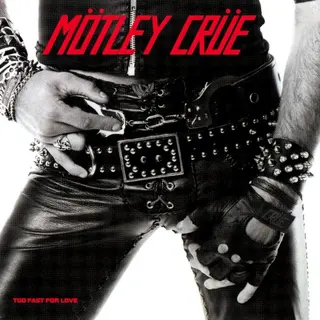
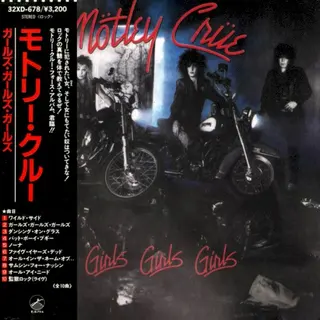
Opened Mötley Crüe pressed Too Fast for Love themselves and proved a Strip band could sell records without waiting for permission.

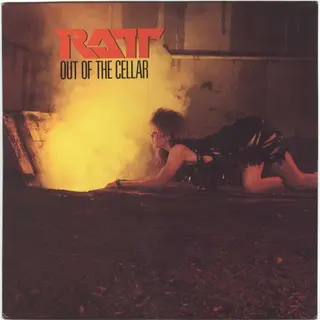
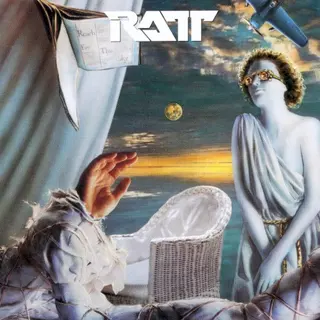
In the early 1980s the Strip's clubs ran on pay-to-play and flyers, and looking like a band was the first qualification for being one. Mötley Crüe and Ratt opened the way; between 1986 and 1990 the genre owned the American charts. It ended abruptly and completely: Nevermind arrived in 1991 and the same labels that had signed anything with hairspray stopped returning calls.

Closed Nevermind, in September 1991. The audience left for a scene that thought looking like this was the joke.

What it produced

At its centre

Hear what came out

Authored under Glam metal, and cued to a record on the wall above.

What happened here

  1. 1991 Nevermind ends the Sunset Strip Nirvana sign to a major and the industry changes within six months. Also Seattle

1986-1994 eight years

Seattle

A local scene and a marketing mythology, built deliberately and then overtaken by its own success.

Place
Seattle
Centred on
Sub Pop Records

Opened Sub Pop's first releases in 1986, and a label that sold the city as a sound to the British press before it entirely was one.

Sub Pop built the scene and the story about the scene at the same time, complete with a house producer, a singles club and a photographer. It worked: Nirvana signed to a major and changed the industry within six months. The burnout was proportionate - five years after the breakthrough, the label was in trouble, the bands were in retreat, and the word had become an insult.

Closed Kurt Cobain died in April 1994, and the label the city had been given stopped being useful to anyone still living there.

What it produced

At its centre

Hear what came out

Authored under Grunge, and cued to a record on the wall above.

  • Quiet verse, loud chorus

    Nirvana - In Utero

    The clean, almost pretty verse and the wall that replaces it, with nothing in between and no build. The dynamic is the songwriting - this is the Pixies' idea, and Cobain said so repeatedly.

    Open on YouTube
What happened here

  1. 1991 Nevermind ends the Sunset Strip Nirvana sign to a major and the industry changes within six months. Also Sunset Strip

1987-1996 nine years

Palm Desert

Teenagers in the Californian desert with a petrol generator, a long way from anyone who could stop them.

Place
Palm Desert, California
Centred on
The generator parties

Opened Kyuss formed out of a school band and started playing the generator parties out past the last streetlight.

There were no clubs, so they played in the desert: a flatbed of equipment, a generator, and whoever drove out. That arrangement did more to the music than any influence did. With no room to reflect off and no curfew, Kyuss tuned down, ran guitars through bass amplifiers and let songs run as long as they liked, and the result is a low, warm, enormous sound that is genuinely a product of playing outdoors. Every stoner rock band since has been trying to get back to it.

Closed Kyuss split in 1995. Josh Homme formed Queens of the Stone Age, which took the sound indoors and onto the radio.

What it produced

At its centre

Hear what came out

Authored under Desert rock, and cued to a record on the wall above.

1987-1995 eight years

Tampa

One Florida studio that recorded most of American death metal's first wave.

Place
Tampa, Florida
Centred on
Morrisound Recording

Opened Death released Scream Bloody Gore in 1987, and within a year the rest of Florida had a template to work from.

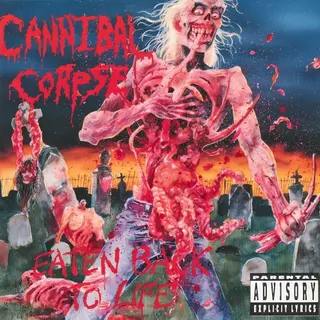
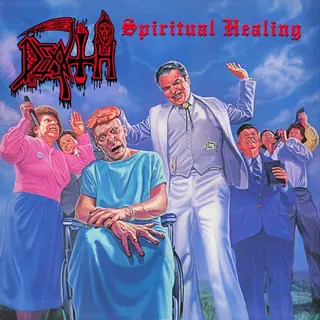
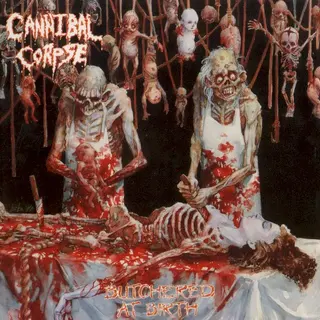
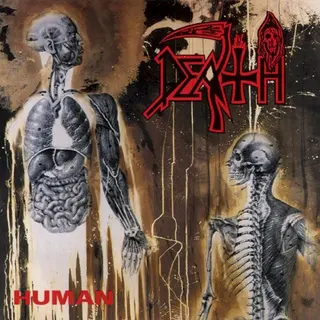
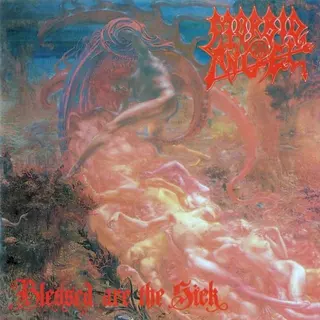
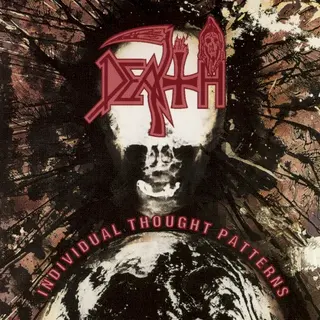
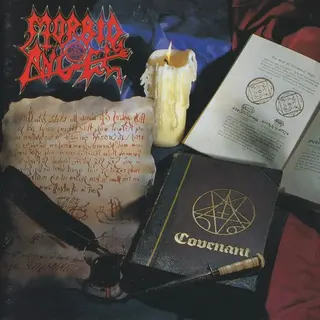
Between 1989 and 1993 the first wave worked on small budgets in local studios, and in Florida that meant Morrisound and the Scott Burns production sound. Death, Morbid Angel, Obituary and Deicide were all within driving distance of each other. When the genre turned technical and sterile in the mid-1990s the sound was abandoned; after 2008 it came back, deliberately, as a revival.

Closed By the mid-nineties the sound was a house style available in any studio, and Tampa's monopoly on it ended.

What it produced

At its centre

Hear what came out

Authored under Death metal, and cued to a record on the wall above.

  • The growl, doing a drummer's job

    Death - Leprosy

    Follow the vocal against the riff rather than against the melody, because there is no melody to follow it against. It lands with the accents, and where a singer would hold a note it simply stops.

    Open on YouTube
What happened here

  1. 1989 Death metal's first wave records in Tampa and Stockholm Small budgets, local studios, and two production sounds that define a genre for a decade.

1988-2005 seventeen years

New Orleans

Black Sabbath filtered through hardcore and a production that sounds like a damp room.

Place
New Orleans

Opened Eyehategod slowed Black Sabbath down until the tempo itself was the argument.

At the end of the 1980s Eyehategod combined Sabbath riffs with hardcore's aggression and recorded them badly on purpose, and the humidity of the city became part of the genre's mythology whether the bands wanted it or not. The Melvins, up in Washington state, had independently reached something similar - proof that the sound was an idea rather than a climate.

Closed Katrina, in 2005. The city that made the records was underwater and the people who made them were somewhere else.

What it produced

At its centre

Hear what came out

Authored under Sludge metal, and cued to a record on the wall above.

1988-1993 five years

Stockholm death metal

The other first wave of death metal, recorded in one basement studio through one distortion pedal.

Place
Stockholm
Centred on
Sunlight Studio

Opened Nihilist split and became Entombed and Dismember, and both booked the same studio.

Florida and Stockholm arrived at death metal at the same time and did not sound remotely alike, which is the clearest case on this map for a scene being a room rather than a genre. Tomas Skogsberg's Sunlight Studio produced a guitar tone - a Boss HM-2 with every knob turned fully up, a buzzsaw rather than a growl - that is so specific it is still described by the studio's name thirty years later. Entombed, Dismember and most of the city recorded there, and the sound was a scene's shared property in a way a riff never is.

Closed Entombed went rock and roll on Wolverine Blues and the buzzsaw stopped being the only thing on offer. It was revived, deliberately, fifteen years later.

What it produced

At its centre

Hear what came out

Authored under Old school death metal, and cued to a record on the wall above.

1990-1999 nine years

Gothenburg

Three bands in one Swedish city arriving independently at the same solution.

Place
Gothenburg, Sweden
Centred on
Studio Fredman

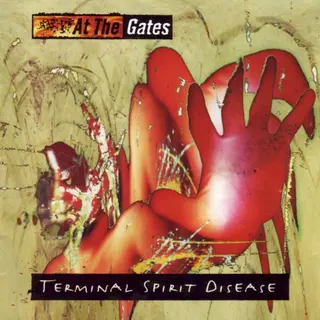
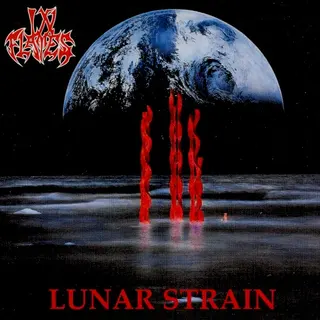
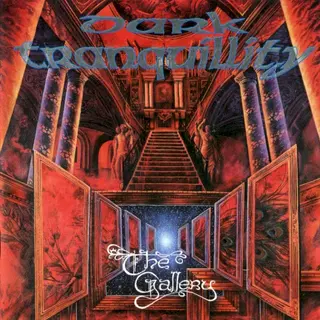
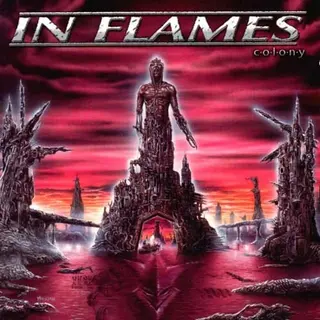
Opened At the Gates and In Flames both formed in 1990, in a city that already had Dark Tranquillity in it.

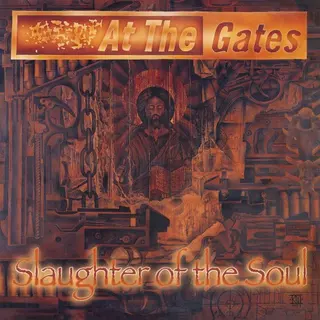
At the Gates, In Flames and Dark Tranquillity each worked out that death metal's speed and vocals could carry NWOBHM's melody, and a shared studio made the result sound like a single scene. Slaughter of the Soul in 1995 became the most copied metal record of its decade - largely in America, by bands who took the guitar harmonies and left the rest, which is how metalcore happened.

Closed The sound had left the city. By the end of the decade the bands copying it outnumbered and outsold the three who made it.

What it produced

At its centre

Hear what came out

Authored under Melodic death metal, and cued to a record on the wall above.

  • The rasp, not the growl

    At the Gates - Slaughter of the Soul

    Mid-range and cutting across the guitars rather than sitting below them. Play this next to the Death passage on the death metal page and the difference is not aggression, it is pitch - this one has one.

    Open on YouTube
What happened here

  1. 1995 At the Gates release Slaughter of the Soul The most copied metal record of its decade.

1991-1994 three years

Helvete, Oslo

A record shop in Oslo, a small circle of bands, and the most notorious three years in metal.

Place
Oslo
Centred on
Helvete record shop

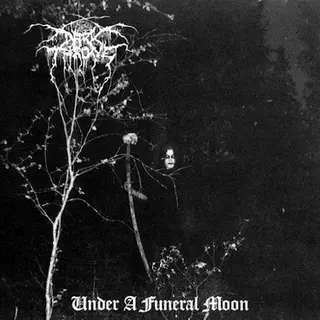
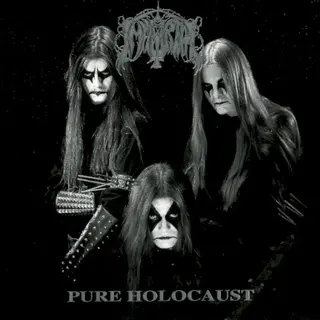
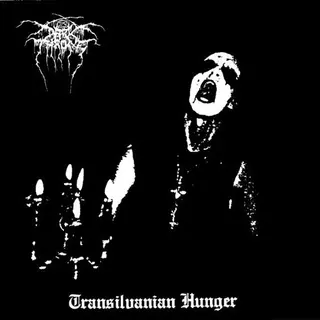
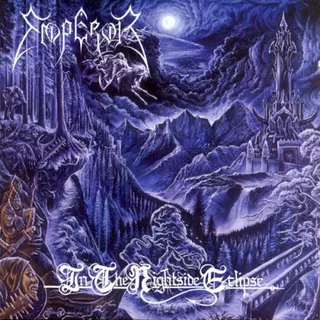
Opened Euronymous opened a record shop in Oslo, and its basement became the address for everyone who agreed with him.

The circle that formed around the Helvete shop between 1991 and 1993 wanted the opposite of Swedish death metal: colder, more amateur, more ideologically extreme, recorded badly on purpose. Musically they succeeded, and the second wave they produced is the definitive form of the genre. The period was also marked by serious crimes - church arsons and a murder - which ended it, and which any account of the scene has to carry rather than aestheticise.

Closed Euronymous was murdered in August 1993. The shop had already shut, and the circle finished in court.

What it produced

At its centre

Hear what came out

Authored under Black metal, and cued to a record on the wall above.

  • Production as a place

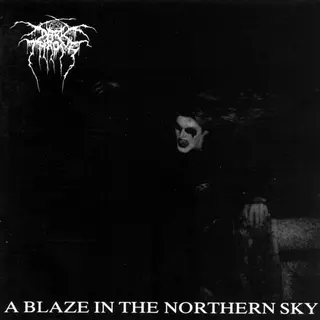
    Darkthrone - A Blaze in the Northern Sky

    Thin, distant, hissing, and recorded by a band who had just made a well-produced death metal album and chose this instead. You are not being put in front of a band; you are being put outdoors.

    Open on YouTube
What happened here

  1. 1991 The circle forms around Helvete in Oslo A record shop becomes the centre of black metal's second wave.

1996-2010 fourteen years

Finnish metal

The one country where metal became ordinary - on the radio, at the wedding, and briefly at Eurovision.

Place
Finland
Centred on
Spinefarm Records

Opened Nightwish's demo reached Spinefarm in 1996, and a label with a national distribution deal started signing everything.

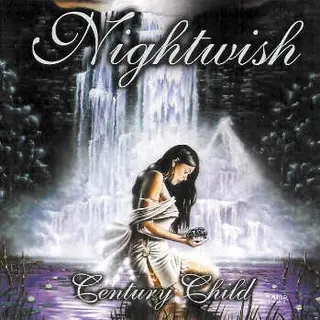
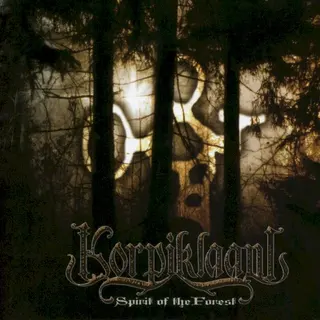
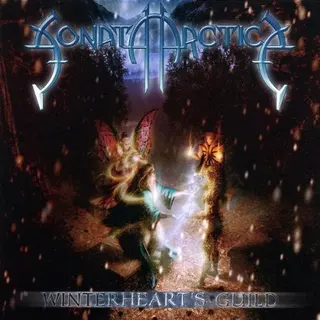
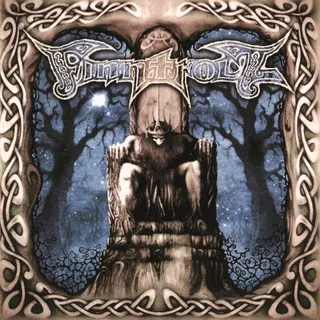
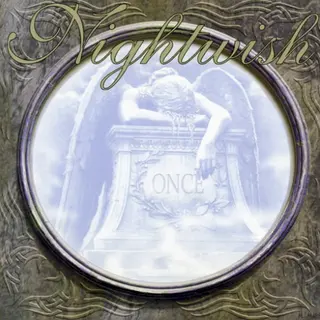
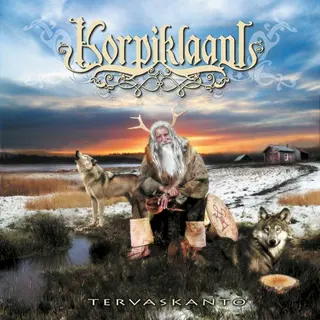
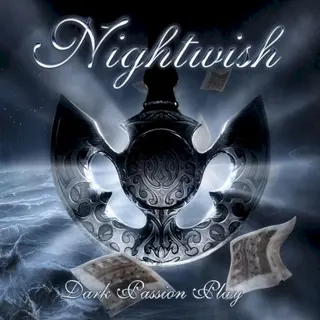
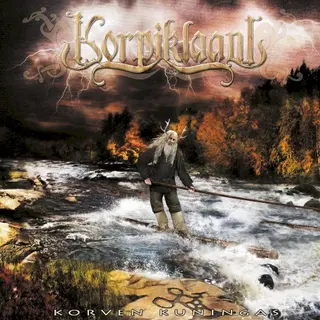
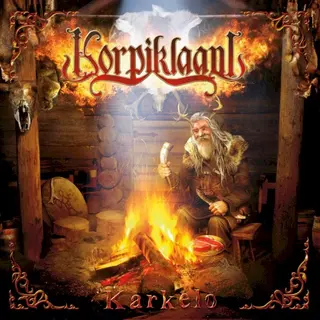
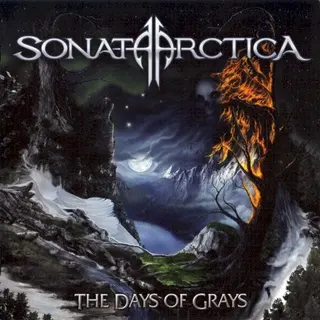
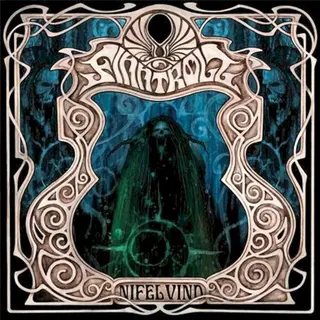
Everywhere else on this map metal is a subculture. In Finland it is domestic: the bands are on daytime radio, the state broadcaster covers them, and the country has more metal bands per head than anywhere on earth. What that produced is music with no interest in being underground - Nightwish put an operatic soprano over power metal and sold millions, Sonata Arctica played it fast and melodic, and Finntroll and Korpiklaani welded it to humppa and folk fiddle without a trace of embarrassment. It is the only scene here whose defining quality is a lack of self-consciousness.

Closed Not so much closed as absorbed. By 2010 this was simply Finnish popular music, which is a stranger outcome than ending.

What it produced

At its centre

Hear what came out

Authored under Symphonic metal, and cued to a record on the wall above.

  • Orchestra as the lead

    Nightwish - Once

    Ten minutes with a real orchestra carrying the melody and the guitars underneath as a floor. The arrangement problem is audible: strings and distorted guitar occupy the same frequencies, and one is always being carved out for the other.

    Open on YouTube
1997-2010 thirteen years

Montreal

A rehearsal building in the Mile End, a label that refused to promote anything, and two bands who took it in opposite directions.

Place
Montreal
Centred on
Hotel2Tango and Constellation Records

Opened Godspeed recorded F♯A♯∞ at Hotel2Tango, and Constellation pressed it in a run of five hundred.

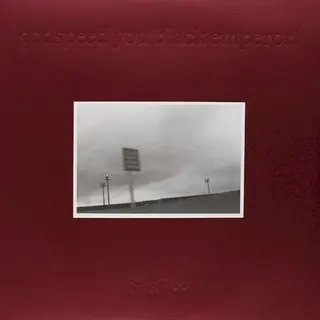
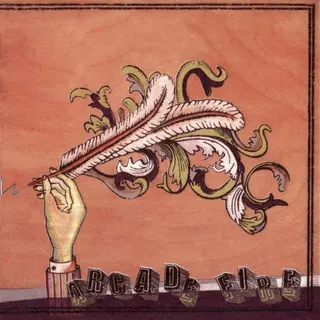
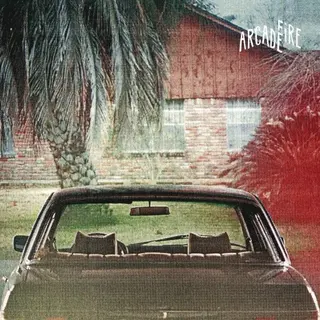
Constellation Records made a set of decisions that were meant to limit it and turned out to define it: record live to tape, package by hand, print no photographs of the band, and let a piece run twenty minutes if it needs to. Godspeed You! Black Emperor's records are field recordings and orchestral crescendos with no singer and no explanation, and they made post-rock a thing people argued about. Arcade Fire came out of the same few streets and did the reverse - the same scale, aimed directly at an audience - which is why the city produced both the least and the most commercial records of its decade.

Closed Arcade Fire won a Grammy for The Suburbs and the Mile End stopped being cheap. Both are ways a scene ends.

What it produced

At its centre

Hear what came out

Authored under Post-rock, and cued to a record on the wall above.

  • A voice used as an instrument

    Godspeed You! Black Emperor - F♯A♯∞

    No authorised upload of this record exists.

    A spoken fragment over strings and tape hiss, treated as one more texture rather than as a narrator. No authorised upload of this exists, so the link opens a search - the record is worth the extra click.

    Search YouTube for it
1998-2007 nine years

Massachusetts metalcore

Hardcore kids who took Gothenburg's guitar harmonies, and one band who went the other way entirely.

Place
Massachusetts
Centred on
GodCity Studio, Salem

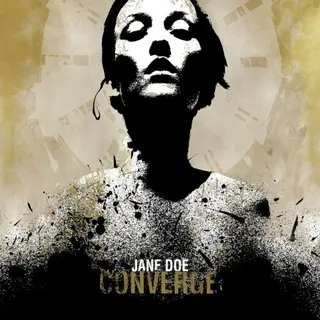
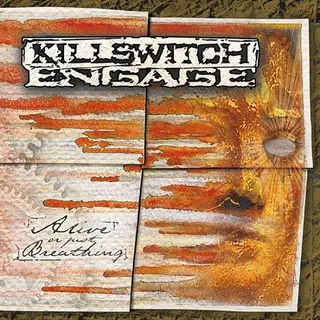
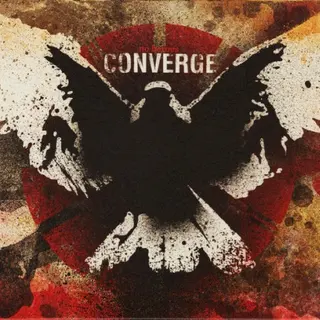
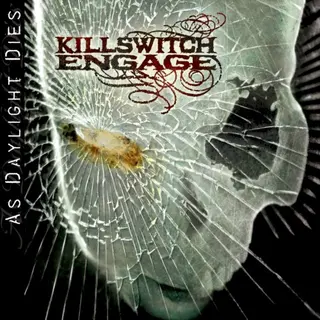
Opened Converge's Jane Doe and Killswitch Engage's first record came out of the same small circuit of Massachusetts halls within two years.

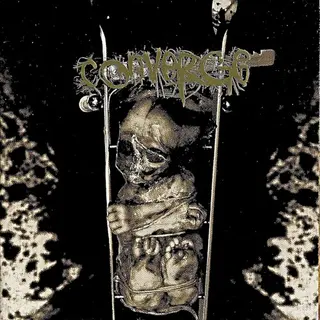
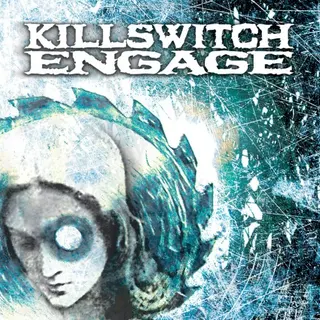
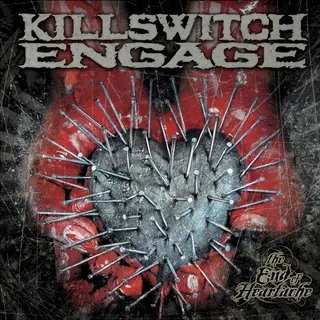
Gothenburg's idea left Sweden and landed here. Killswitch Engage put melodic death metal's harmonised leads under a hardcore band and a sung chorus, and for most of a decade that arrangement was what the word metalcore meant in America. Converge, from the same small state and the same halls, spent those years proving the opposite case - that hardcore could get more violent and more musically difficult at once - and Kurt Ballou recorded half the scene at GodCity while doing it. The two bands sound nothing alike and could not have happened anywhere else.

Closed Metalcore became the sound of American commercial radio rock, which is a different thing from a scene. GodCity is still recording.

What it produced

At its centre

Hear what came out

Authored under Metalcore, and cued to a record on the wall above.

2003-2015 twelve years

Australian metalcore

A surf town and a set of suburban halls, ten thousand miles from any label that mattered, on the first generation who did not need one.

Place
Australia
Centred on
Byron Bay and the Sydney halls

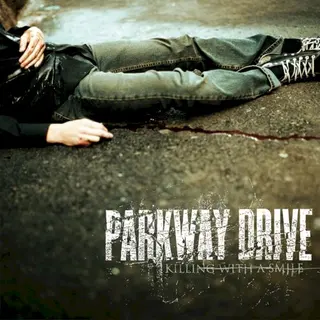
Opened Parkway Drive released Killing With a Smile in 2005 and toured it out of Byron Bay without moving anywhere.

Every scene above this one needed a room, a shop or a studio to hold it together. This one had the internet, which is why it could happen in a Byron Bay surf town with no industry within a day's flight. Parkway Drive built an international audience from home by touring relentlessly and putting everything online, and a decade of Australian bands followed the same route. What they sent back was metalcore played harder and cleaner than the American version, and by the end of it the traffic was running the other way.

Closed The bands became festival headliners in Europe, which was always the point. What ended was needing to leave.

What it produced

At its centre

Hear what came out

Authored under Metalcore, and cued to a record on the wall above.

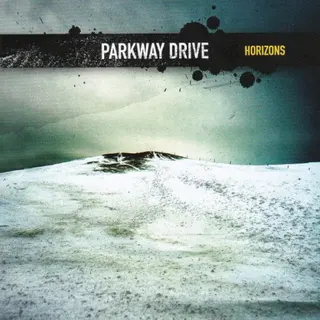
  • Gothenburg leads on a hardcore band from 3:14

    Parkway Drive - Horizons

    Harmonised twin leads lifted wholesale from melodic death metal, bolted onto hardcore's song structure and its breakdown. The two halves of the genre's name, audible separately.

    Open on YouTube at 3:14