Sludge metal, from the outside in. Each step is a genre and the single record this encyclopedia would put on first. Play them in this order and the last one should sound like a next step rather than a wall.
- 1 The way in
Heavy metal 1970
It split off from hard rock and blues rock when Black Sabbath tuned down and wrote riffs on the tritone. Volume, riff and a code of its own - every branch below starts here.
Sung. Melodic singing throughout.
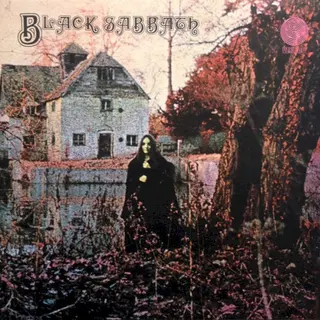
Put on
Black Sabbath - the song Black Sabbath. The first thirty seconds are the genre's birth certificate.
Black Sabbath, Black Sabbath (1970) - 2 Then
Doom metal 1980
The branch most faithful to Black Sabbath: slow tempos, thick riffs and crushing atmosphere. The weight comes from space, not speed.
Sung. Melodic singing throughout.
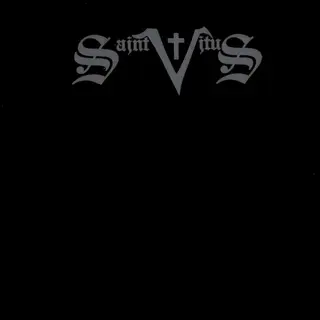
Put on
Saint Vitus - Born Too Late. The title says exactly how the band felt.
Saint Vitus, Saint Vitus (1984) - 3 What you asked about
Sludge metal 1989
Doom plus filthy hardcore: feedback, screamed vocals and a guitar tone like Louisiana mud.
Growled or shrieked. Unintelligible without a lyric sheet. The thing most newcomers bounce off.
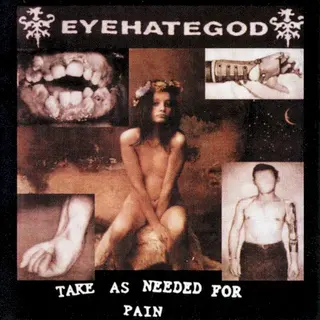
Put on
Eyehategod - Take as Needed for Pain. The feedback between tracks is part of the album.
Eyehategod, Take as Needed for Pain (1993) - 4 Where to go next
Post-metal / atmospheric sludge 1997
Sludge with post-rock logic: long songs, crescendos and instrumental passages. Neurosis invented the form.
Sung and screamed. Clean singing and harsh vocals trade off, often chorus against verse.
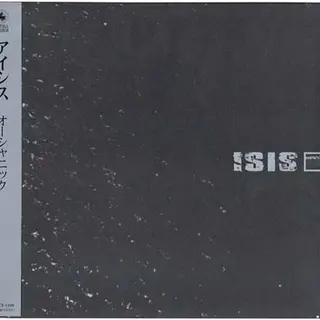
Put on
Isis - Oceanic. The most accessible album in the genre, and no weaker for it.
Isis, Oceanic (2002)
Assembled from the tree: every genre Sludge metal descends from, in order. The last step is the gentlest of Sludge metal's 1 subgenre - least harsh vocals first, then least heavy.