Symphonic black metal, from the outside in. Each step is a genre and the single record this encyclopedia would put on first. Play them in this order and the last one should sound like a next step rather than a wall.
- 1 The way in
Heavy metal 1970
It split off from hard rock and blues rock when Black Sabbath tuned down and wrote riffs on the tritone. Volume, riff and a code of its own - every branch below starts here.
Sung. Melodic singing throughout.
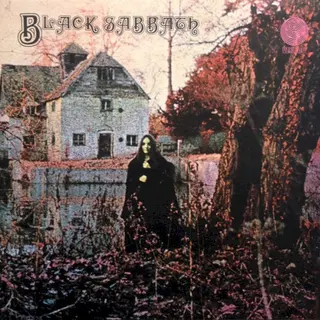
Put on
Black Sabbath - the song Black Sabbath. The first thirty seconds are the genre's birth certificate.
Black Sabbath, Black Sabbath (1970) - 2 Then
Black metal 1982
Tremolo picking, blast beats, shrieked vocals and deliberately cold production. More an aesthetic than a technique - atmosphere matters more than clean sound.
Growled or shrieked. Unintelligible without a lyric sheet. The thing most newcomers bounce off.
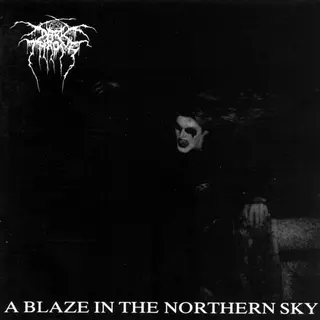
Put on
Darkthrone - A Blaze in the Northern Sky. The production is intentional, not a flaw.
Darkthrone, A Blaze in the Northern Sky (1992) - 3 What you asked about
Symphonic black metal 1994
Keyboards and choirs over black metal structures. Grand, theatrical and by far the most saleable of the subgenres.
Growled or shrieked. Unintelligible without a lyric sheet. The thing most newcomers bounce off.
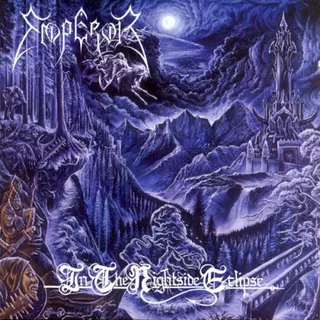
Put on
Emperor - In the Nightside Eclipse. Recorded by teenagers, and it sounds monumental.
Emperor, In the Nightside Eclipse (1994) - 4 Where to go next
Bay Area thrash 1983
The original epicentre: technical riffing, clearer production and a little more melody.
Shouted. Barked or chanted, and you can still make out the words.
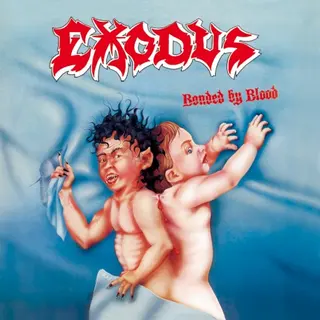
Put on
Exodus - Bonded by Blood. Recorded in 1984, released late, and it held up anyway.
Exodus, Bonded by Blood (1985)
Assembled from the tree: every genre Symphonic black metal descends from, in order. Symphonic black metal has no subgenres, so the last step is the genre that rates closest to it by sound.